The History of Women's History Classes at Napa Junior College
By Lauren Coodley
Originally posted March 7, 2025
I never planned to teach history, never planned to be a teacher, never heard of something called women’s history. I had no plans; I was a girl who grew up in the ‘50s, left home in the ‘60s, not planning a career. But by 1976 I was teaching at Napa Junior College, where Evie Trevethan, the counselor who ran the new Women’s Re-entry Program, suggested I create a class about women’s history.
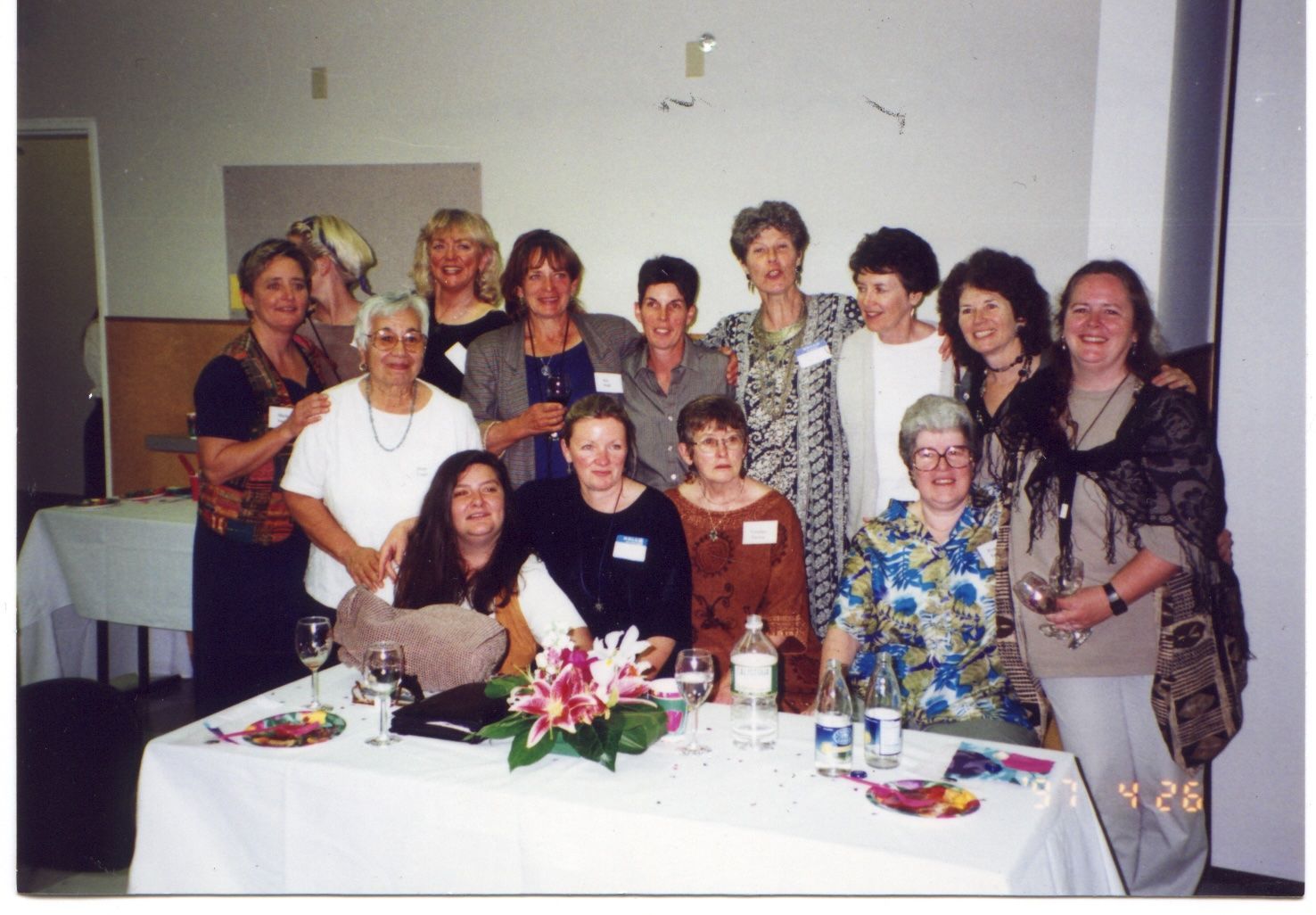
Today, I take down from my shelf those dusty yellowed paperbacks that I turned to in the beginning: Sheila Rowbotham’s Hidden from History, Eve Merriam’s pioneering collection of short biographies Growing Up Female in America: Ten Lives, June Sochen’s Herstory. With these slim tools, at 26 years old, with no background in history–let alone women’s history–I began to teach. Because my students weren’t used to reading for pleasure, it was important to me to share the classics that writer Tillie Olsen had rediscovered: The Yellow Wallpaper, by Charlotte Perkins Gilman (whose utopian fiction we would discover later); Life in the Iron Mills by Rebecca Harding Davis; Kindred by Octavia Butler (which we only had in xerox form). We read Sister of the Road, a memoir of a woman hobo, as well as the letters of Calamity Jane, printed by “Shameless Hussy” Press. Students would write about the connection to their own lives. Andrea wrote: “Mary Wollstonecraft and her husband lived across the street from each other. Victoria Woodhull who believed in free love. All these women are inspirations because they show the messiness of life the way it truly is. These women show and prove by their lives that I can be me, live as I really am and be a success. They also prove to be wise warnings that sometimes there may be a price for a full throttle fight for the things you want.”
We would perform plays ourselves, using “readers theatre” where the students were given scripts the very day of the reading. We had mock debates and role playing. Students researched and wrote about their mothers’ or grandmothers’ lives, an end of class project that replaced exams and morphed into creating children’s books in homage to a female forebear.
Susan wrote: “I still can’t believe that Elizabeth Cady Stanton was not mentioned to me in all my years of school. I am 28 years old and I am sorry to say that I voted for the first time ever this year. I never realized the power I have as a voter and now that I have learned what it took to gain the right to vote I will never take my privilege for granted again.”
In the beginning, the classes were small, 15 or 20 students. The course was an elective, and no one knew what to expect. Every year, I asked the students to list the women from history that they knew of. After 35 years of teaching, the lists never varied: Rosa Parks or Harriet Tubman, Marilyn Monroe or Madonna, Hillary Clinton or Geraldine Ferraro. No suffragists, labor activists, or early women scientists, inventors, or artists.
Lisa wrote:
“My new list would look like this: Elizabeth Cady Stanton, Mary Wollstonecraft, Susan B. Anthony, Lucretia Mott, Sojourner Truth, The Grimke Sisters, Elizabeth Smith Miller (Bloomers). I have learned of so many great women in our history I never knew before… I try to teach my female friends of these great women in history."
Jamie wrote:
“All these women were strong willed and devoted to what they stand for. Like me I will not stand by and let people take advantage of others. I want to make a change in the world. I want to make it better for people that are less fortunate than me. These women should have been my role models instead of great men of the world. I want my children to have women and men equally as their role models. So when I do have children be it boys or girls I will make sure that they know everything I
didn’t as a child.”
I wanted to recognize the crafts that women like my grandmother created. I gave students the option to create quilts, embroidery, clothing, and recipes to honor the past. Seeing the young men in the class proudly displaying their quilts is a memory I’ll never forget. By the end of my career, there were 3 classes of 50 students every semester, and the class met the U.S. History requirement for graduation. After I retired, the requirement was removed. The class is now taught by one of my former students.
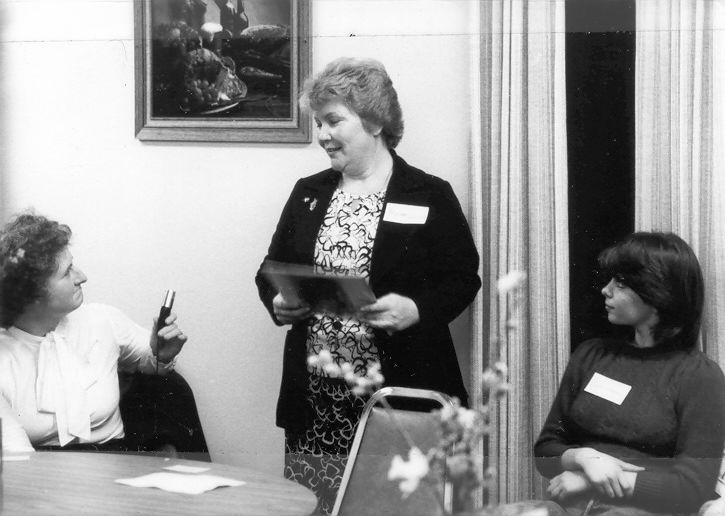
Sandra wrote: “This is the story of my life and the struggle of a world that was ignorant of my needs, and of young women in general. I have learned so much through your class about the struggles women face on every level. I have begun to see my worth as a human being and as a woman. I have been equipped with the knowledge that we all face undeniable injustices and hardships as women.”
One semester, I taught the class at the local school for pregnant teens, Hill and Valley. Ms Magazine had published stories of colonial women who posted warnings on trees about cheating husbands. The teenagers wrote their own versions of such warnings about the men they knew. Incendiary and cathartic to read them aloud!
My students wrote letters to the authors of the books they read. Neil wrote:
“Being a man, I am thankful to have attended this class… I feel that I now have a new closeness with women that most men do not possess. There is a bond I have formed with the opposite sex that cannot be broken… I would have been right there beside some of the great women. Trying my best to fight for the better of humanity and mankind.”
In teaching “women’s history,” I realized there was a powerful common history of both women and men struggling to improve conditions in America and in the world. I became a teacher of United States, California, and even Napa history, finding and placing in those fields many of the inspirational figures that most of us have never heard about. The way I taught women’s history, as the pioneers of the field had created it, was a working-class and multicultural story about women’s lives and the social movements that brought changes in America.
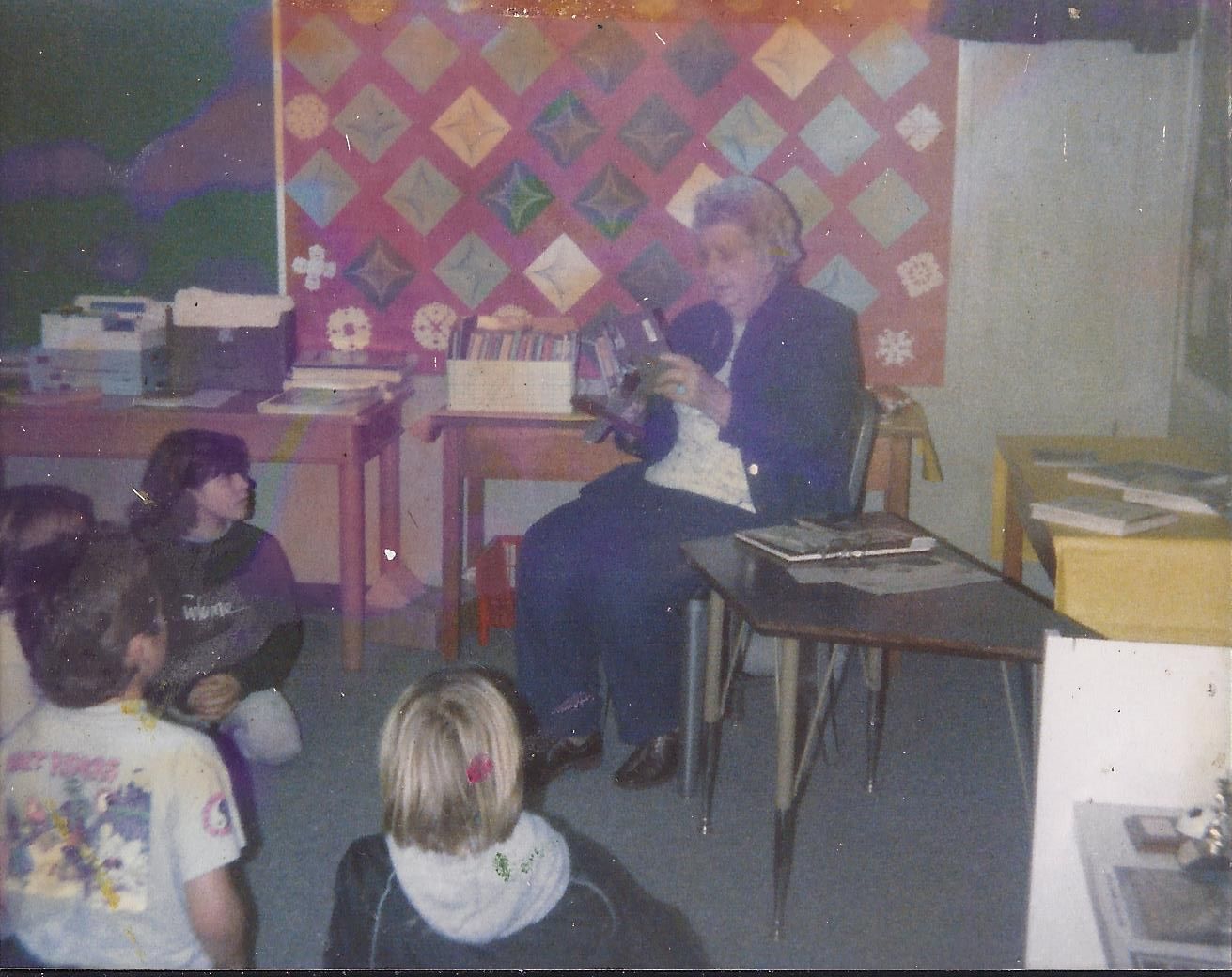
I think there was a moment in time when a hunger for stories about women began. That was when women’s history was celebrated in the K-12 system; a group of us organized students to visit classes, dressed in period clothes. There are many children’s and young adult books now available about women in history, more biopics about women on television, and at the same time, a general lack of knowledge among the public. Museum exhibits and social media can help make up the loss of what is no longer taught in school.